
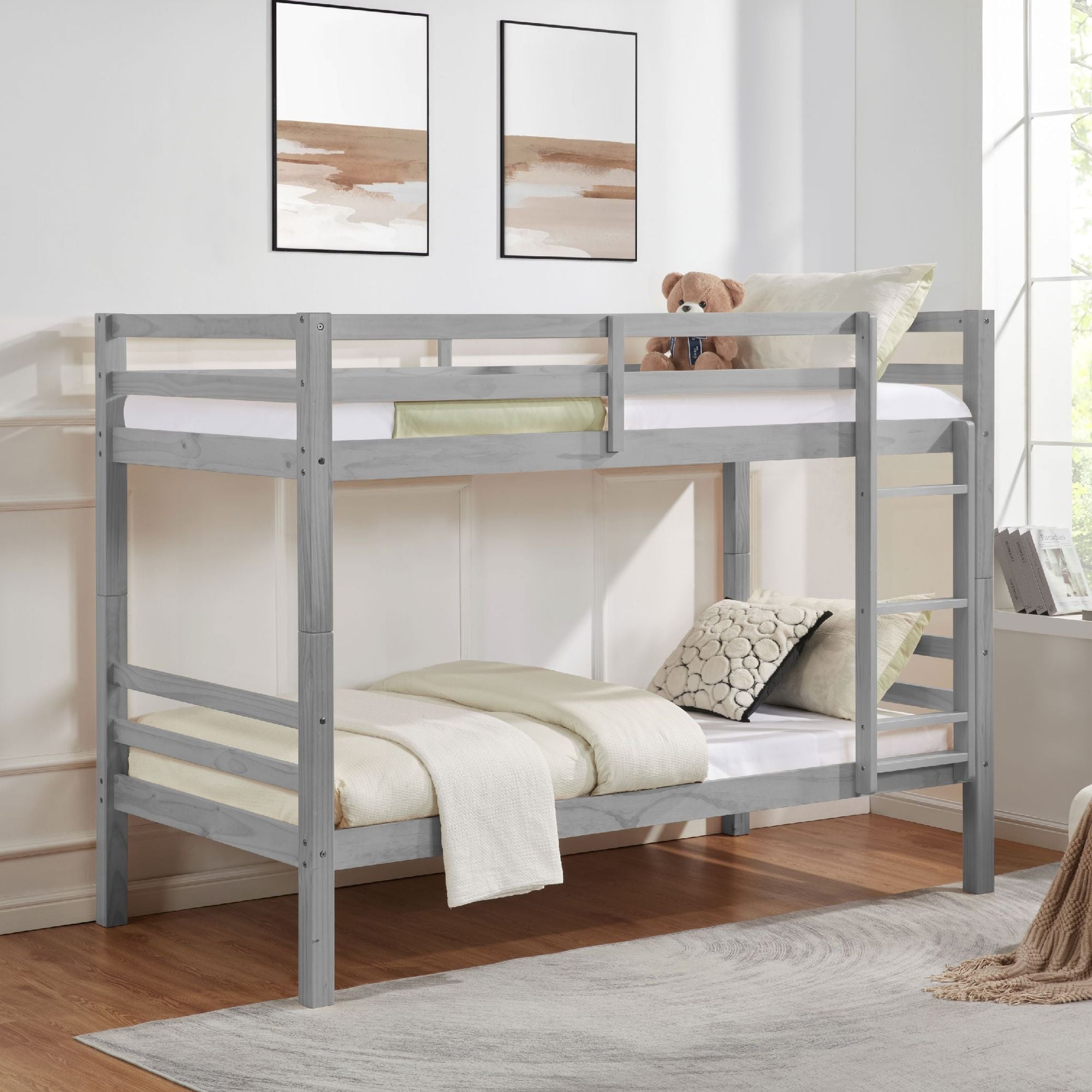
Space-Saving Bedroom Solutions: Transform Small Rooms with Bunk Beds & Smart Design

📐 The Small Bedroom Challenge
Living in a compact space doesn't mean sacrificing comfort, style, or functionality. Whether you're furnishing a city apartment, maximizing a children's shared bedroom, or optimizing a vacation rental, smart space-saving solutions can transform cramped quarters into comfortable, organized sanctuaries. The secret? Strategic furniture choices—especially bunk beds—combined with clever design techniques that make every square foot count.
🏗️ Why Vertical Space is Your Greatest Asset
Understanding the Power of Going Up
Most people instinctively arrange furniture horizontally, leaving valuable vertical real estate completely unused. This is the single biggest mistake in small bedroom design. Standard ceilings are 8-10 feet high, which means you have 4-6 feet of unused space above typical furniture. Bunk beds and loft beds capitalize on this vertical dimension, effectively doubling your usable space without expanding your room's footprint.
The Mathematics of Vertical Living
Traditional Layout vs. Bunk Bed Layout
Two Twin Beds (Traditional):
- Footprint: 156 sq ft (2 beds at 39" x 75" each)
- Remaining floor space: ~44 sq ft in 200 sq ft room
- Movement area: Cramped, difficult to navigate
Twin Over Twin Bunk Bed:
- Footprint: 78 sq ft (one bed footprint)
- Remaining floor space: ~122 sq ft in same room
- Movement area: Spacious, room for play/storage/study
Benefits Beyond Square Footage
🛏️ Choosing the Right Bunk Bed Configuration for Your Space
Standard Bunk Beds for Children's Rooms
Twin Over Twin: The Classic Space-Saver
- Rooms 10' x 10' or smaller
- Children ages 6-12
- Siblings close in age
- Rooms with 8-foot ceilings
- Smallest footprint: 42" x 80"
- Leaves maximum floor space
- Easy furniture arrangement around bed
- Fits through standard doorways
Twin Over Full: Growth-Friendly Design
- Rooms 10' x 12' to 12' x 12'
- Children with significant age difference
- Teenagers who need more sleeping space
- Guest rooms accommodating varied ages
- Moderate footprint: 56" x 80"
- Accommodates growth without replacing furniture
- Bottom bunk comfortable for parents sitting with kids
- Can separate into two beds later
Loft Beds: Maximum Flexibility
Single Loft with Study Area
Perhaps the most versatile space-saving solution for teens, college students, and young adults living in studio apartments or compact bedrooms. By elevating the sleeping area, you create an entirely functional zone underneath.
- Full desk setup with computer and storage
- Reading nook with armchair and bookshelf
- Closet organization system with hanging space
- Small sofa or futon for lounging
- Dresser and vanity area
- Workout space with yoga mat and weights
Loft with Built-In Storage
Some loft bed models include integrated storage solutions that eliminate the need for separate furniture pieces. Storage stairs, under-bed drawers, and attached shelving units make these particularly valuable in ultra-compact spaces where every inch counts.
Adult Bunk Beds for Maximum Capacity
Full Over Full: Comfortable Guest Accommodation
- Vacation rentals maximizing sleeping capacity
- Guest rooms hosting adult visitors
- Studio apartments with frequent overnight guests
- Basement bedrooms serving multiple purposes
While full over full bunks have a larger footprint (56" x 80"), they provide two full-sized sleeping surfaces in the space normally occupied by one queen bed (60" x 80"). For rentals or multi-purpose rooms, this doubles capacity with minimal space increase.
Queen Over Queen: Premium Space Solution
The ultimate in space-efficient luxury for larger bedrooms (minimum 12' x 14') that need to accommodate multiple couples or families. Popular in vacation properties, lake houses, and luxury basement suites.
🎨 Layout Strategies for Small Bedrooms
The Corner Placement Method
Positioning your bunk bed in a corner creates natural boundaries while maximizing open floor space in the center of the room. This arrangement works particularly well for L-shaped or square rooms.
- Creates cozy, defined sleeping zone
- Frees up longest wall for storage or desk
- Natural safety barrier on two sides
- Makes room feel less cluttered
The Room Divider Approach
In shared children's rooms or studio apartments, strategically placing a bunk bed or loft bed can create distinct zones. Position the bed perpendicular to the longest wall, effectively dividing the room into separate areas for different activities or different children.
Creating Zones in Shared Kids' Rooms
- Zone 1 (Behind Bed): Quiet homework/reading area with desks
- Zone 2 (In Front): Active play space with toy storage
- Bunk Bed Position: Acts as natural room divider and sound barrier
Wall-Aligned for Narrow Rooms
In long, narrow rooms (like 8' x 16'), place the bunk bed along one long wall. This creates a corridor of usable space down the center of the room and along the opposite wall.
Furniture Arrangement for 8' x 16' Room
- Long Wall #1: Bunk bed (42" deep)
- Center Corridor: 3-4 feet of clear walking space
- Long Wall #2: Desk, dresser, bookshelf in a line
- Result: Functional, uncluttered room with distinct zones
📦 Storage Solutions That Work with Bunk Beds
Under-Bed Storage Systems
Maximize the Lower Bunk Area
The space beneath the lower bunk is prime storage real estate that's often underutilized. Depending on your bed's clearance (typically 12-18 inches), you can implement various storage strategies.
Trundle Beds: Hidden Extra Sleeping
For rooms that occasionally need extra sleeping capacity (sleepovers, visiting relatives), trundle beds slide completely under the lower bunk during the day. This provides a third sleeping surface without consuming any additional floor space when not in use.
Vertical Storage Adjacent to Bunks
Tall, Narrow Bookcases
Vertical storage units (12-18 inches deep, 6+ feet tall) positioned next to bunk beds make excellent use of wall space without encroaching on the room. These work particularly well for:
- Books and school supplies
- Decorative items and photos
- Baskets containing smaller items
- Nighttime essentials for both bunks
Built-In Storage Stairs
For bunk beds with stair access (rather than ladders), choosing models with built-in storage stairs provides 4-5 additional drawers or cubbies. This integrated storage replaces a separate small dresser, saving 6-8 square feet of floor space.
- Drawer 1 (Bottom): Shoes or bulky items
- Drawer 2: Pants and shorts
- Drawer 3: Shirts and tops
- Drawer 4: Underwear and socks
- Top Cubby: Accessories or small items
Wall-Mounted Solutions
Floating Shelves
Install floating shelves on walls not occupied by the bed. Position them strategically:
- High shelves (6-7 feet): Decorative items, books you don't need often
- Mid-level shelves (4-5 feet): Everyday books, photos, collectibles
- Low shelves (2-3 feet): Frequently accessed items, charging stations
Wall Hooks and Pegboards
Simple but effective, wall hooks keep backpacks, jackets, hats, and bags off the floor and furniture. Pegboard systems offer customizable storage for everything from jewelry to sports equipment.
💡 Design Tricks to Make Small Bedrooms Feel Larger
Color Psychology and Light
Choose Light, Neutral Colors
While this advice applies to all small spaces, it's particularly important in bedrooms with bunk beds. The vertical furniture already creates visual weight, so balance it with light walls, bedding, and accessories.
Color Strategy for Small Bedrooms
- Walls: White, light gray, soft beige, or pale blue
- Bunk Bed: Match walls or choose light natural wood
- Bedding: White or light colors with one accent color
- Accent Elements: Introduce personality with pillows, artwork, rugs
Maximize Natural Light
Never position bunk beds to block windows. Natural light is your ally in making spaces feel open and airy. If possible, arrange furniture so light flows freely through the room.
Mirror Placement Strategy
Strategically placed mirrors create the illusion of more space by reflecting light and views. In small bedrooms with bunk beds:
- Place a large mirror opposite the window to bounce natural light
- Install mirror closet doors to visually double the room
- Avoid placing mirrors where they'll create confusing reflections from the bunk bed
Minimal, Multi-Functional Furniture
Every Piece Must Earn Its Place
In small bedrooms, furniture must work harder. Choose pieces that serve multiple purposes:
Keep It Clutter-Free
This cannot be overstated: clutter is the enemy of small spaces. With bunk beds freeing up floor space, maintain that openness by being ruthless about what stays in the room.
- Everything must have a designated storage spot
- One toy in, one toy out for kids' rooms
- Seasonal clothing rotates to storage elsewhere
- Flat surfaces (desk, dresser top) stay clear
- Daily 5-minute tidy-up routine
🏠 Real-World Applications: Space-Saving Success Stories
Urban Apartment: Studio to Functional One-Bedroom
The Challenge
450-square-foot studio apartment needing sleeping space for two without sacrificing living area.
The Solution
Full-sized loft bed positioned in alcove, creating distinct bedroom zone underneath with curtains for privacy. Lower area accommodates dresser and reading chair.
Results
- Main living area stays completely open
- Room feels like a one-bedroom apartment
- Guests don't see the bed during daytime
- Storage capacity increased by 40%
Family Home: Three Kids in 10' x 12' Bedroom
The Challenge
Three siblings ages 7, 9, and 11 sharing one bedroom in a three-bedroom home. Needed sleeping space plus room for play and homework.
The Solution
Twin over full bunk bed along one wall with trundle underneath for third sleeper. Opposite wall holds shared desk and bookshelf. Center of room stays completely open for play.
Results
- Comfortable sleeping for three children
- 30+ square feet of open floor space
- Dedicated homework station
- Room feels organized despite three occupants
Vacation Rental: Maximizing Guest Capacity
The Challenge
Small beach house with limited bedrooms needed to accommodate larger groups to maximize rental income.
The Solution
Converted smaller third bedroom with queen over queen bunk bed. Added built-in storage bench and wall-mounted TV.
Results
- Increased sleeping capacity from 6 to 10 guests
- Premium pricing tier unlocked
- 90% occupancy rate vs. 65% previously
- Guests love the unique feature
- Room still feels spacious and comfortable
⚠️ Common Mistakes to Avoid
Mistake #1: Choosing Oversized Furniture
The Fix: Choose streamlined furniture scaled appropriately for the room. A 6-drawer tall dresser (22" x 15" footprint) beats a 6-drawer wide dresser (50" x 18") every time in small spaces.
Mistake #2: Blocking Light and Airflow
The Fix: Map out window and vent locations before placing the bed. Maintain clear paths for natural light and HVAC airflow.
Mistake #3: Ignoring the "Triangle of Movement"
The Fix: Ensure 24-36 inches of clear walking space in at least one direction from the bunk bed to the door, and from the door to other key areas (closet, desk).
Mistake #4: Over-Decorating Small Spaces
The Fix: Follow the "rule of three" for decorative items. Choose 2-3 accent colors maximum. Keep walls relatively clear and simple.
❓ Frequently Asked Questions
What's the smallest bedroom size that can accommodate a bunk bed?
A twin over twin bunk bed can fit comfortably in rooms as small as 8' x 10' (80 square feet). This configuration requires a footprint of just 42" x 80", leaving approximately 30-35 square feet for other furniture and movement. For rooms smaller than 8' x 10', consider a single loft bed instead of a bunk bed to maximize flexibility.
How much clearance do I need around a bunk bed?
Allow minimum 36 inches of clear space in front of the ladder for safe access. On other sides, 24 inches is adequate for making beds and general movement. Corner placement reduces clearance needs since two sides are against walls. For rooms with dressers or desks, maintain at least 30 inches between the bunk bed and these items.
Can adults use bunk beds in small apartments?
Absolutely! Modern adult bunk beds are specifically designed for adult weight and comfort. Full over full and queen over queen configurations work excellently in studio apartments, small guest rooms, and vacation rentals. Look for models rated for 500-800 lbs per bunk with adult-friendly features like stairs (instead of ladders) and higher guardrails.
What's better for small spaces: bunk bed or loft bed?
It depends on your needs. Bunk beds are ideal when you need two sleeping surfaces. Loft beds are better for single sleepers who want flexible space underneath for a desk, seating, storage, or even a second activity zone. For children's shared rooms, choose bunk beds. For teens, college students, or adults in studios, loft beds often provide more versatility.
How do I make a room with bunk beds not feel cramped?
Use light colors on walls and bedding, maximize natural light, keep the floor as clear as possible, choose minimal furniture, and maintain a clutter-free environment. Position the bunk bed strategically (often in a corner or along one wall) to create maximum open floor space. Add a mirror to reflect light and create depth. Most importantly, resist the urge to over-furnish the room.
What storage solutions work best under bunk beds?
Rolling drawers are ideal for clothes and linens, offering easy access and complete concealment. Storage bins with labels work well for toys, seasonal items, or sports equipment. For more flexibility, rolling carts can be pulled out when needed for art supplies or school materials. If you occasionally need extra sleeping, a trundle bed slides underneath and provides a third sleeping surface.
Should I put a bunk bed in a room with low ceilings?
Rooms with 8-foot ceilings can accommodate twin over twin and twin over full bunks, but occupants of the top bunk will have limited sitting headroom (typically 30-36 inches). For ceilings under 8 feet, consider a loft bed with the sleeping platform at a lower height, or choose separate beds instead. Queen over queen bunks require minimum 9-foot ceilings for comfortable use.
How do I organize a small shared kids' room with bunk beds?
Give each child a designated zone: one gets the area around the desk, the other gets the space near the closet. Use different colored storage bins for each child to avoid arguments. Install individual reading lights on each bunk. Create personal space with removable hooks inside the bed frame where kids can hang bags or special items. Keep communal items (board games, shared toys) in one designated area.
Ready to Transform Your Small Space?
Discover how Just Better Bunk Beds can help you maximize every square foot without compromising comfort or style. From compact twin bunks to luxurious queen configurations, our quality craftsmanship and smart designs turn small bedrooms into spacious, functional retreats.
Because better living starts with better furniture.
Explore Space-Saving Solutions